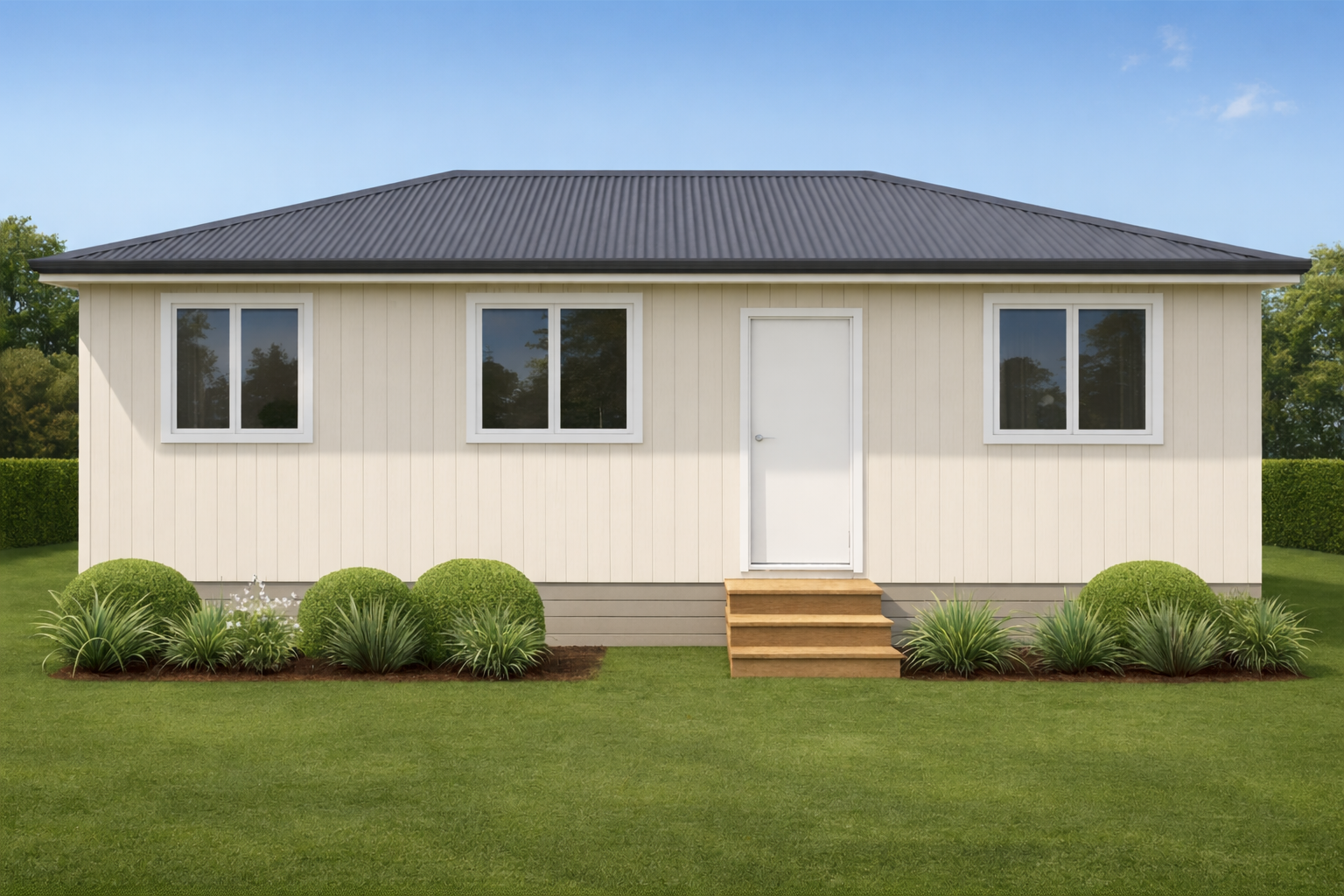
If you own a section in New Zealand and have been thinking about adding a second dwelling, whether for ageing parents, adult children, rental income, or long-term flexibility, 2026 is a genuinely good time to act.
The rules around minor dwellings and granny flats in NZ have changed significantly in recent years, and many landowners don’t yet realise how much more straightforward the process has become. This article explains what the current rules allow, what they mean in practical terms, and how a transportable home from Exeter fits neatly into the new framework.
What Changed with the Granny Flat Rules in NZ?
The most significant change came through the government’s push to increase housing density and make better use of existing residential land. Under the current rules, most residential properties in NZ can accommodate a self-contained minor dwelling of up to 70 m² without the need for a resource consent and, in many cases, without a building consent either, subject to certain conditions.
Previously, adding a second dwelling to your section almost always required a resource consent from your local council, which added time, cost, and uncertainty to the process. In many cases, councils would decline or place restrictions on applications, making the whole exercise impractical for many homeowners.
The updated rules remove that barrier for smaller dwellings. If your section is in a residential zone and the minor dwelling meets the size threshold and relevant building rules, you can proceed with just a building consent, not a resource consent.
What Counts as a "Granny Flat" Under NZ Law?
In New Zealand, the common term “granny flat” usually refers to what councils formally call a minor dwelling or a secondary dwelling. For the purposes of the current rules, the key criteria for consent-free status typically include:
The dwelling must be 70m² or under in gross floor area
It must be on the same title as the principal dwelling (i.e., not a separate lot)
It must comply with all relevant building code requirements
It must meet your local council’s specific district plan rules around setbacks, height, and site coverage
It’s worth noting that while the national policy has changed, individual councils retain some variation in how they apply local rules. Checking with your local council or working with a draughtsman who knows your area is still the right first step before you commit to a design.
Looking for the perfect granny flat or minor dwelling?
Our compact 2 and 3-bedroom designs are ideal for secondary dwellings, rental units, and multigenerational living.
Does a Transportable Home Qualify as a Minor Dwelling?
Absolutely, and this is where the opportunity becomes very real.
At Exeter Homes, our Exeter Essentials range includes compact, high-quality homes built specifically with the minor dwelling and granny flat market in mind. Our Aggie plan, for example, is a 3-bedroom, 68m² home.
Every home in the Essentials range is:
Fully compliant with the NZ Building Code and Healthy Homes Standards
Warm and dry: double-glazed joinery, fixed heating in the living room, full insulation
Move-in ready: complete with kitchen, bathroom, carpet, vinyl, and all appliances installed
Built in our Rotorua yard under controlled conditions, reducing risk and delays
Because the home arrives as a complete, consented structure, much of the uncertainty that comes with a site build is removed. You’re not waiting for subcontractors or hoping the weather cooperates; your home is built, inspected, and ready to deliver.
What Permissions Do I Still Need?
Even with the updated rules, there are still regulatory steps involved. Here’s what you’ll generally need to work through:
Geotechnical Assessment: Most councils require a geotech report to accompany your building consent application. This is a soil investigation that tells your council (and us) what kind of foundations are required for your section. We can connect you with trusted local planning companies who handle this.
Service Connections: Once your home is delivered and positioned, it will need to be connected to power, water, and drainage. A civil works company or licensed tradespeople will handle this. Your draughtsman’s engineering plan makes this process straightforward.
Yard Building Consent: While this isn’t technically required, Exeter Homes chooses to obtain a building consent for every home we construct in our Rotorua yard. We do this to ensure every home arrives fully inspected and code-compliant, giving you complete peace of mind and no issues down the line.
Who Is Building a Granny Flat With a Transportable Home?
More people than you’d expect. We regularly work with:
Parents wanting to keep family close: an Exeter home on your existing section means Mum or Dad can live nearby without being in the same house: privacy for everyone and proximity when it matters.
Landowners creating a rental income stream: A warm, compliant, fully finished 2- or 3-bedroom home on an underused section can generate strong rental returns, particularly in regions with tight rental supply like the Bay of Plenty and Rotorua.
Rural lifestyle block owners: Granny flats on lifestyle blocks are a popular choice for families who’ve subdivided or want to accommodate workers or extended family on the property.
First-home buyers with a family member helping out: Some buyers purchase a section with a family member, who then builds on part of the land using a transportable home, an increasingly practical solution given the current market.
Why Act Now?
The combination of updated rules and growing housing need has made this the best window in years to add a second dwelling to a section. Waitlists for quality builders are real, and construction timelines mean that if you want to be in a new home by the end of 2026, the time to start conversations is now.
Exeter Homes currently has capacity to take on new builds for this year. The earlier in the process you engage with us, the more flexibility you’ll have in your design, timeline, and site planning.
Explore Your Options
If you’re interested in adding a minor dwelling to your section, the best starting point is to browse our 2-bedroom designs and our Exeter Essentials range, both of which have been built with this exact application in mind.
When you’re ready to talk specifics, get in touch with our team. We’ll help you understand what’s possible in your section, give you a realistic price estimate, and walk you through the consent process step by step.